24/7 Emergency Water Damage Response
Need help now? (888) 502-0998
WaterDamageA Insights · Education

Water Damage Restoration Blog

Practical guides, insurance reality, and restoration process explainers from the IICRC-certified crews we dispatch nationwide.

Blog

  • Crawl Space Water Damage in Meridian, Idaho: Causes and Fixes
    Water Damage

    Crawl Space Water Damage in Meridian, Idaho: Causes and Fixes

    Why Meridian crawl spaces flood on an irrigation schedule rather than a rain schedule, how to spot it from inside, and what…

    Read more →

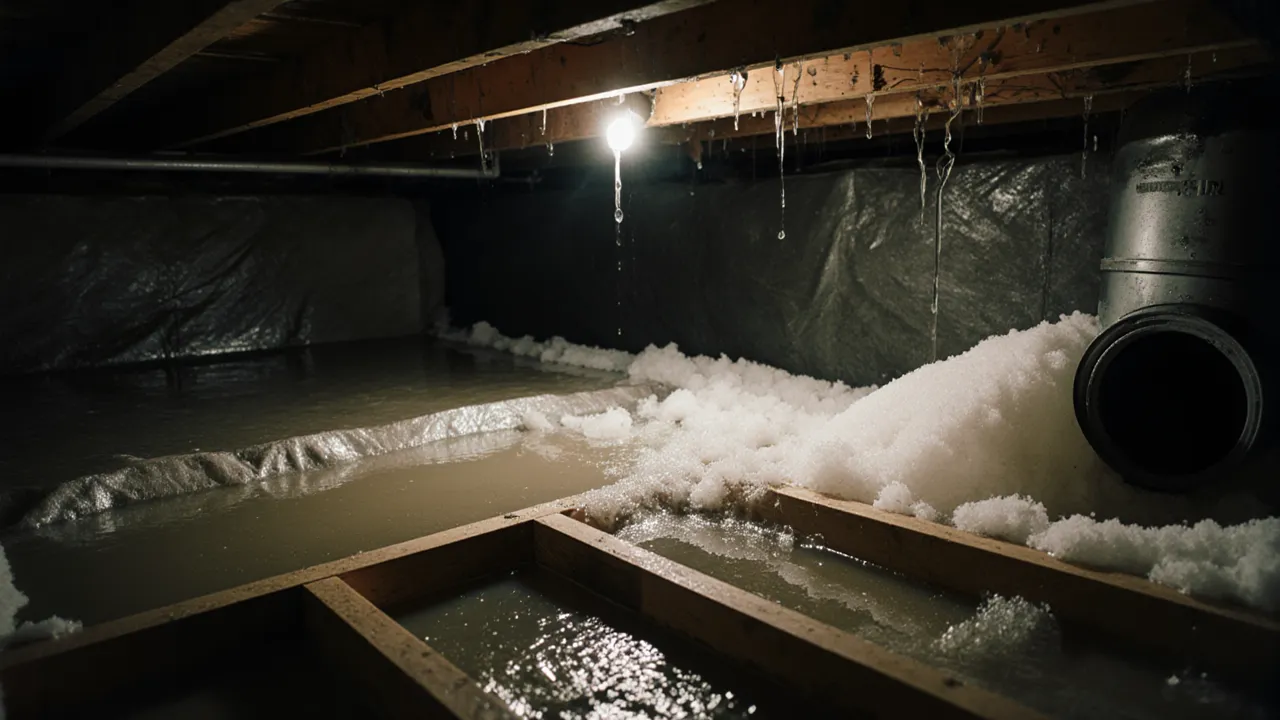
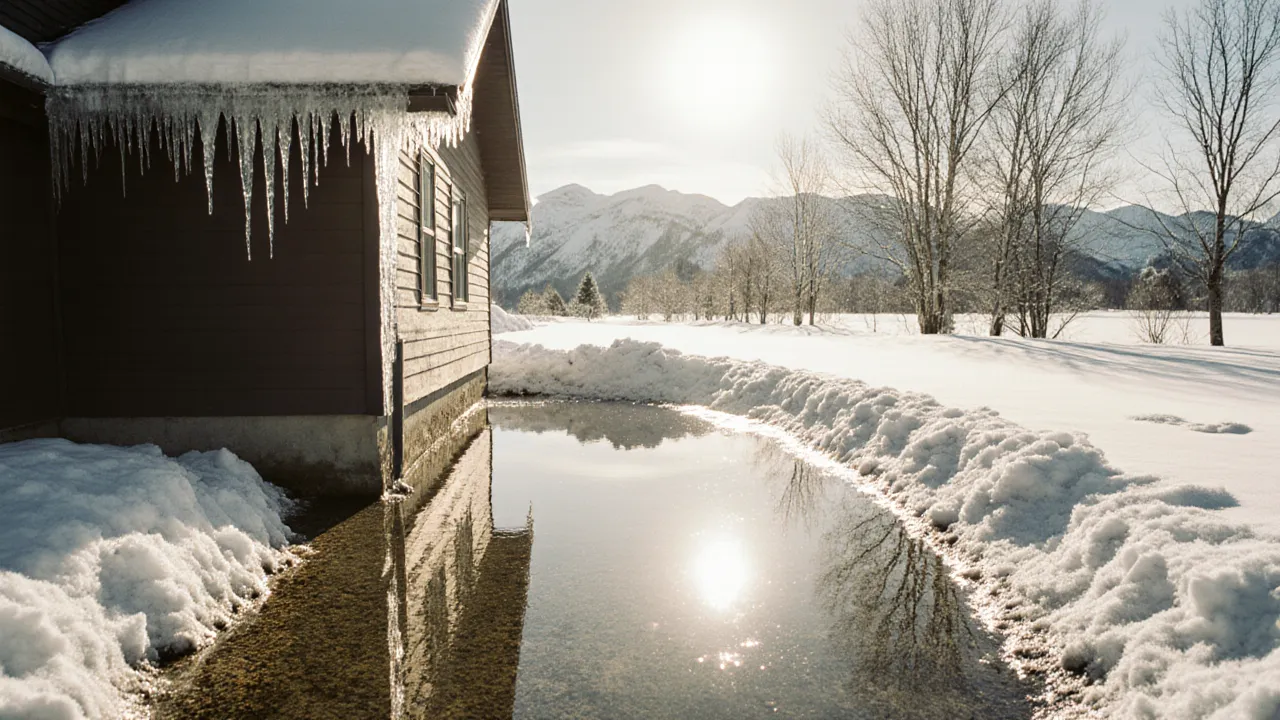
    Standing water and fallen insulation in a Meridian home crawl space with frost near a foundation vent

    Meridian has grown faster than almost any city in Idaho, and most of what has been built here sits on a crawl space rather than a basement. That single construction choice shapes the water damage picture across the Treasure Valley. A crawl space is a two to four foot void under your floor that nobody enters, nobody inspects, and nobody smells until the moisture has been working on the framing for months. It is also, in this valley, sitting on top of a water table that rises and falls on an irrigation schedule.

    This guide covers why Meridian crawl spaces take on water, how to tell from inside the house, what proper drying involves, how freeze events add a second failure path, and what Idaho insurance typically covers.

    Why Treasure Valley Crawl Spaces Get Wet

    Meridian averages roughly a foot of precipitation a year, which sounds like it should make water damage rare. It does not, because the water that reaches most crawl spaces here is not rain.

    The Treasure Valley runs on delivered water. A dense network of canals and laterals fed from the Boise River, including the Ridenbaugh Canal and the Five Mile and Nine Mile drainages, charges the shallow groundwater across the valley from roughly April through October. When the irrigation season starts, the water table under many Meridian subdivisions rises measurably. Homes that were bone dry in February can have standing water under the floor in June without a drop of rain falling. Add pressurized irrigation systems watering lawns on a timer, and a failed sprinkler line or a head aimed at the foundation can pump water against the stem wall for weeks before anyone notices.

    The second source is the ground itself. Much of the valley sits on silty loam and caliche layers that perch water rather than letting it drain. Water that gets into the backfill around a foundation sits there. If the crawl space vapor barrier is torn, poorly lapped, or was never installed properly during a fast build, that moisture evaporates directly into the space under your floor.

    The third is spring snowmelt off the Boise foothills combined with a rain-on-snow event, which can put more water into local drainage in a few days than the valley normally sees in months.

    How to Tell From Inside the House

    Because nobody looks in a crawl space, the symptoms show up upstairs first:

    • A musty smell that is strongest near floor vents or in a closet on an exterior wall. Crawl space air does not stay in the crawl space; the stack effect pulls a meaningful share of it up into your living space.
    • Floors that feel cold, soft or springy in one area, which points to a subfloor that has been damp long enough to lose stiffness.
    • Cupping or gapping hardwood over one part of the house.
    • Indoor humidity that will not come down in a climate this dry, or condensation on windows in winter.
    • Higher heating bills as wet insulation loses its R-value and falls out of the joist bays.
    • Rust on ductwork, pipes or foundation hardware visible at the access hatch.

    If you can open the access door safely, look for standing water, a vapor barrier floating or displaced, insulation hanging down, or dark staining on the underside of the subfloor. Any of those means the space has been wet for a while.

    The Freeze Path: A Second Way Meridian Homes Flood

    Idaho winters bring hard freezes, and a vented crawl space in a cold snap is effectively outdoor temperature with plumbing running through it. Supply lines in an unconditioned crawl space, hose bibs, and lines running through exterior stem walls are the usual failure points. A burst line under the floor can run for hours before anyone hears it, because the sound is muffled and the water goes down rather than into the room.

    Two habits prevent most of it: close the foundation vents before the first hard freeze and insulate the supply lines and hose bibs, and know where your main shutoff is before you need it in the dark. Our guide to what to do in the first hour of a burst pipe covers the immediate steps.

    Your First 60 Minutes

    • Shut the water main if the source is a broken supply line, and open a low fixture to relieve pressure.
    • Shut off the irrigation system if the water appeared during the watering season and you suspect a line or head near the foundation.
    • Cut power to any circuits serving the crawl space before anyone goes in.
    • Do not crawl into standing water. Between wiring, rodents and whatever the water carried in, it is not a DIY space once it is flooded.
    • Photograph the access hatch view and the affected rooms above before anything is moved or removed.
    • Call for extraction the same day. Water under a floor does not evaporate on its own in a closed space; it just keeps the wood above it wet.

    What Proper Crawl Space Restoration Involves

    Crawl space drying is a different job from drying a room, and it is done badly more often than any other water loss. Standing water is extracted or pumped out first. Saturated fiberglass insulation is removed rather than dried; once it has been wet it holds moisture against the joists and no longer insulates. The vapor barrier is pulled, the soil surface is treated where contamination is involved, and a new barrier is installed and properly lapped and sealed.

    Then the structure itself has to be dried. Joists, girders, sill plates and the underside of the subfloor are monitored with meters, and dehumidification is run in the enclosed space until documented dry standards are met. This normally takes longer than an above-grade room because airflow is restricted and the soil below keeps contributing moisture. Where growth has already started on the framing, mold remediation under the IICRC S520 standard means containment and HEPA filtration, mechanical removal from the wood, and correction of the moisture source, not a surface spray.

    The permanent fix is usually drainage and encapsulation: correcting grade and downspout discharge, adding a perimeter drain and a properly discharged sump if water collects, sealing the space with a heavy liner, and conditioning it. Our restoration process page walks through how each phase is documented.

    Prevention for a Meridian Home

    • Inspect the crawl space twice a year, once in late spring after irrigation starts and once before the first freeze.
    • Keep sprinkler heads and drip lines away from the foundation, and check for pooling against the stem wall during a watering cycle.
    • Extend downspouts well clear of the house and keep soil sloping away.
    • Repair or replace a torn vapor barrier before it becomes a moisture source.
    • Insulate crawl space plumbing and close vents before hard freezes.
    • Install a water alarm at the crawl space access and near the water heater. Under-floor leaks are the ones that run longest before discovery.
    • Consider encapsulation if the space has ever held standing water. In this valley it usually pays for itself in avoided losses and lower humidity.

    Insurance in Idaho: What Usually Applies

    A standard Idaho homeowners policy generally covers sudden, accidental discharge from inside the home, which is what a burst crawl space supply line is. It generally does not cover groundwater intrusion, seepage, or a rising water table, which are treated as maintenance and drainage issues rather than sudden losses. Surface flooding requires separate NFIP or private flood insurance.

    The gray area that catches Meridian homeowners is gradual damage. A supply line that failed suddenly is a covered event; the same line that had been weeping for eight months into the crawl space is frequently denied as long-term leakage. That is another argument for inspecting the space on a schedule, and it is why documenting the sudden nature and date of discovery matters. We document the source, category and extent of the water and provide adjuster-grade records, then bill carriers directly. See our insurance guide for more.

    Rentals, Vacant Homes and Multi-Unit Properties

    Meridian has grown fast enough that a large share of its housing is rented or recently built, and both conditions change the water damage picture. In a rental, nobody has ever opened the crawl space hatch, and the tenant has no reason to. The first report is usually a smell or a soft floor, which means the loss has been running for a while. Owners and property managers benefit from putting a crawl space inspection on the same annual schedule as furnace service.

    Vacant properties between tenants are the higher risk. A house with the water on and nobody in it can run a broken supply line for days. If a unit will sit empty through a freeze, shut off the water at the main and drain the lines rather than trusting a thermostat setting. For multi-unit buildings, a single failure on an upper floor can affect several units below, and the documentation burden multiplies accordingly.

    In every case the same principle applies: the earlier a loss is found, the smaller the scope. Water alarms at the crawl space access, the water heater and each laundry connection cost very little and repeatedly turn a five-figure loss into a four-figure one. Our restoration team works with owners, property managers and carriers on documentation for multi-unit and tenant-occupied losses.

    Frequently Asked Questions

    Why is there water in my crawl space when it has not rained?

    In the Treasure Valley this is usually irrigation related. Canal deliveries raise the shallow groundwater from spring through fall, and a sprinkler line or head near the foundation can add water directly. A plumbing leak under the floor is the other common cause.

    Can wet crawl space insulation just dry out?

    No. Once fiberglass batts are saturated they hold water against the joists, sag out of the bays and lose most of their insulating value. Standard practice is to remove them, dry the structure, and install new insulation after the space is verifiably dry.

    Does a wet crawl space affect the air in my house?

    Yes. A meaningful share of the air in your living space is drawn up from below through the stack effect, carrying humidity, odors and mold spores with it. That is why a musty smell upstairs is often a crawl space report rather than a room problem.

    Will homeowners insurance pay for crawl space water damage?

    It depends on the cause. A sudden burst pipe is typically covered. Groundwater seepage, a rising water table and long-term leaks are typically excluded. Surface flooding needs separate flood insurance. Documenting when and how the water appeared is what determines the outcome.

    How fast can a crew get to my Meridian home?

    We dispatch 24 hours a day and crews serve Meridian and the wider Treasure Valley. Arrival depends on your location and current demand rather than a fixed guarantee, so calling as soon as you find water gives you the best outcome.

    Get Help Now in Meridian

    Water damage in Meridian does not pause overnight or wait for business hours. Call our 24/7 dispatch line at (888) 502-0998 and we will get an IICRC-certified crew moving toward your property and coordinate directly with your insurance carrier.
    Related Resources

  • Cedar Rapids Basement Flooding: Sump Pump Failure and River Risk
    Water Damage

    Cedar Rapids Basement Flooding: Sump Pump Failure and River Risk

    Why Cedar Rapids basements flood, the six ways sump pumps fail, and which insurance endorsements actually cover a finished basement loss.

    Read more →

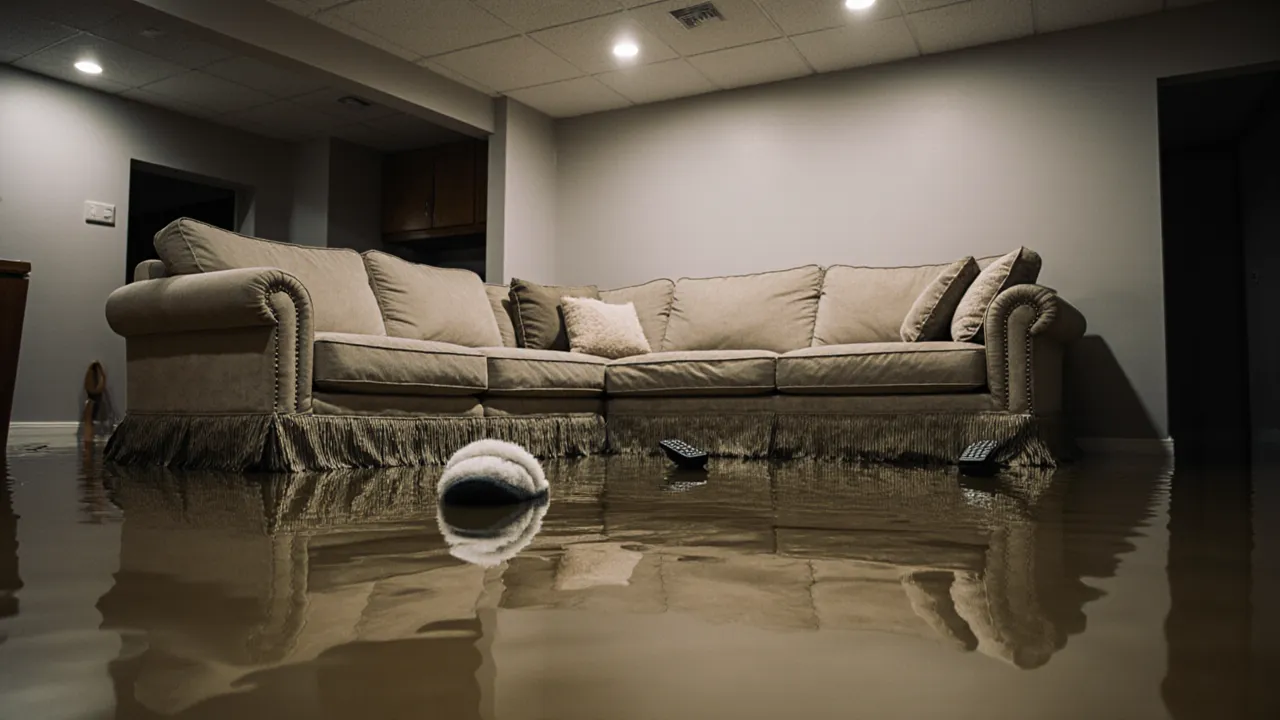
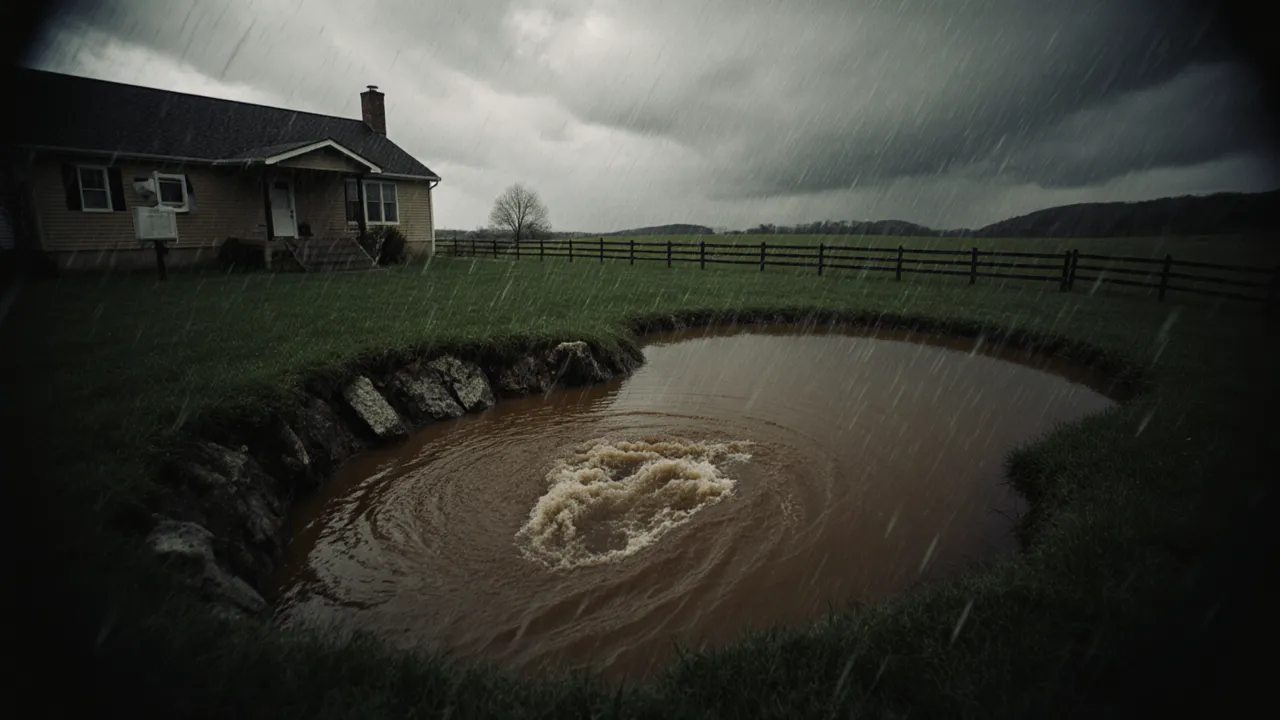
    Flooded finished basement family room in Cedar Rapids with water covering the floor around a soaked sofa

    Cedar Rapids is a city that knows what water can do. The 2008 crest on the Cedar River rewrote the record book by roughly ten feet and reshaped whole neighborhoods, and 2016 sent the city through the drill again. But the flood that actually reaches most Cedar Rapids homeowners is smaller and far more common than a river event: a sump pump that stops working during a heavy spring rain, and eight inches of water in a finished basement by morning.

    This guide explains why Cedar Rapids basements flood, how sump systems fail, what to do in the first hour, how professional drying works on a deep Iowa basement, and how Iowa insurance treats each cause.

    Why Cedar Rapids Basements Take On Water

    Two features of the local landscape put pressure on basements. The first is the Cedar River corridor itself and the flat floodplain around it, where the water table is naturally high and neighborhoods like Czech Village, NewBo and the Time Check area sit close to the river. The second is the glacial till that covers most of Linn County: a dense, clay-rich soil that drains slowly. When a two-inch rain falls on ground that is already saturated from snowmelt, the water does not soak away. It moves laterally through the backfill around your foundation, which is looser than the undisturbed soil beside it, and collects exactly where your footing drain is supposed to carry it off.

    Iowa basements are also deep. A frost line that runs well past three feet means full basements are standard rather than optional, and a deep basement is simply a large box sitting below the water table during the wettest weeks of the year. Hydrostatic pressure finds the cold joint where the wall meets the floor, the tie-rod holes, and any crack that has opened as the foundation settled. That is why the classic Cedar Rapids basement leak appears at the base of the wall rather than raining down from above.

    Layered on top is severe weather. The August 2020 derecho was a reminder that a wind event can strip roofs and drop trees across an entire metro in under an hour, and roof damage from a storm like that produces interior water losses for months afterward, long after the visible debris is cleared.

    How Sump Pump Systems Fail

    Most flooded Cedar Rapids basements are not a story about the river. They are a story about one pump. Sump systems fail in a small number of predictable ways, and every one of them is preventable.

    • Power loss during the storm that needs it most. The same line of storms that drops three inches of rain also knocks out power. A pump without a battery backup or water-powered backup is a decoration during an outage.
    • Age. A residential sump pump is a consumable. Many fail somewhere between seven and ten years, and they rarely announce it in advance.
    • A stuck float switch. Debris, a shifted pump or a pit that is too tight lets the float hang up. The motor never gets the signal.
    • A frozen or blocked discharge line. If the discharge exits at grade and freezes shut in late winter, the pump runs, the water has nowhere to go, and it comes back into the pit.
    • Undersized capacity. A pump that handles routine groundwater cannot keep up with a saturated spring soil profile and a heavy rain arriving together.
    • No check valve, or a failed one. Water in the discharge pipe drains back into the pit and the pump short-cycles itself to an early death.

    Testing takes two minutes: pour five gallons into the pit, confirm the pump starts, moves water and shuts off, then walk outside and confirm the discharge is actually flowing away from the house. Do it in March, and again before a wet stretch.

    Your First 60 Minutes

    • Cut power to the basement at the breaker before you step into standing water. Do not reach for a submerged cord.
    • Identify the source. Clear water rising evenly from the floor is groundwater. Water from one wall is usually a foundation or window well failure. Water with an odor is sewer backup and needs to be treated as contaminated from the start.
    • Photograph everything before moving it, including the water line on the drywall and on stored boxes.
    • Get contents up. Lift furniture legs onto blocks, pull rugs, and move boxes, electronics and anything with sentimental value to the main floor.
    • Do not run the furnace or central air if ductwork in the basement took on water; you will move contamination and humidity through the house.
    • Call for extraction the same hour. A shop vacuum can handle a puddle. It cannot dry a structure, and finished basements hide most of their water inside the wall assembly.

    Drying a Finished Iowa Basement Properly

    Finished basements are the hardest residential drying job there is, because almost everything that got wet is hidden. Carpet pad holds water like a sponge. Drywall wicks it upward well past the visible line. The framing behind it, the insulation in the stud bays and the underside of the subfloor above can all stay saturated while the surface looks dry.

    A crew working to the IICRC S500 standard extracts standing water first, then maps the true moisture footprint with meters rather than guessing from the stain line. Carpet pad is almost always removed. Drywall is typically cut above the wick line so the cavity can be dried and inspected, and wet fiberglass insulation comes out because it holds water and loses its function anyway. Air movers and low-grain refrigerant dehumidifiers then run continuously, with daily readings logged, until documented dry standards are met, usually three to five days. Where the water was contaminated, containment and antimicrobial treatment come first. Only then does rebuild start. Our four-phase process lays out each step.

    Mold Risk in an Iowa Basement

    Iowa summers are humid, and a basement is the coolest surface in the house, which makes it the place where humid air gives up its moisture. Mold can begin on wet organic material within 24 to 48 hours. A basement that was pumped out but never properly dried will smell within a couple of weeks, and that smell is not a nuisance; it is a report that something behind the drywall is still wet. Correcting the moisture source is the real remedy. Where growth is established, mold remediation under IICRC S520 means containment, HEPA filtration and removal of affected porous materials.

    Prevention That Actually Works Here

    • Add a battery backup sump pump, and replace the battery on schedule. In Cedar Rapids this is the single highest-value upgrade a homeowner can make.
    • Replace the primary pump around year eight rather than waiting for it to fail during a storm.
    • Extend downspouts six to ten feet from the foundation. Most basement water starts as roof water dropped next to the wall.
    • Regrade settled backfill so soil slopes away from the house, and keep window wells covered and drained.
    • Add a backwater valve if you have ever had sewer backup, and confirm your policy has the matching endorsement.
    • Keep the discharge line above the frost problem and clear of ice in late winter.
    • Store valuables off the floor, on shelving rather than in cardboard directly on the slab.

    Insurance in Iowa: Which Policy Responds

    A standard Iowa homeowners policy generally covers sudden and accidental discharge from inside the home, such as a burst supply line or a failed water heater, and wind-driven rain entering through an opening a storm created. It does not cover rising surface water or river flooding, which require separate NFIP or private flood coverage. Groundwater seepage through a foundation is also typically excluded as a maintenance issue rather than a sudden loss.

    The two endorsements that matter most in Cedar Rapids are sewer and drain backup coverage and sump pump failure coverage. Neither is included by default on most policies, both are relatively inexpensive, and together they cover the majority of basement losses that actually happen here. Check your declarations page before the spring, not after. Our insurance guide and our post on what homeowners insurance covers explain the distinctions in plain language.

    Frequently Asked Questions

    Does homeowners insurance cover a failed sump pump in Cedar Rapids?

    Usually only if you carry a sump pump failure or water backup endorsement. Standard policies exclude groundwater and sump overflow. The endorsement is inexpensive relative to the cost of a finished basement rebuild, and it is worth confirming on your declarations page before spring.

    How long does a flooded basement take to dry?

    Typically three to five days of continuous equipment operation once extraction and material removal are done, sometimes longer for a deep basement with saturated framing. Drying is finished when documented moisture readings meet the dry standard, not when surfaces feel dry to the touch.

    Can I just run a household dehumidifier and fans?

    Not for a real loss. Household units move a fraction of the air and remove a fraction of the moisture of commercial equipment, and they do nothing about water trapped in wall cavities, under carpet pad or beneath the subfloor. Undried cavities are exactly where mold develops.

    Is water in my basement a river flood risk or a groundwater problem?

    Most Cedar Rapids basement losses are groundwater and sump-related rather than river flooding. Water rising evenly through the floor and the wall-floor joint during a heavy rain points to hydrostatic pressure and a sump system that could not keep up.

    How fast can a crew reach my home?

    We dispatch 24 hours a day and crews serve Cedar Rapids and the surrounding Linn County area. Arrival time depends on your location and current demand, which spikes across the whole metro during a regional storm, so calling early in an event helps.

    Get Help Now in Cedar Rapids

    Water damage in Cedar Rapids does not pause overnight or wait for business hours. Call our 24/7 dispatch line at (888) 502-0998 and we will get an IICRC-certified crew moving toward your property and coordinate directly with your insurance carrier.
    Related Resources

  • Storm and Flash Flood Water Damage in Fayetteville, Arkansas
    Storm Damage

    Storm and Flash Flood Water Damage in Fayetteville, Arkansas

    How Ozark terrain and severe storms drive flash flooding and hidden roof leaks in Fayetteville homes, plus first-hour steps and Arkansas insurance…

    Read more →

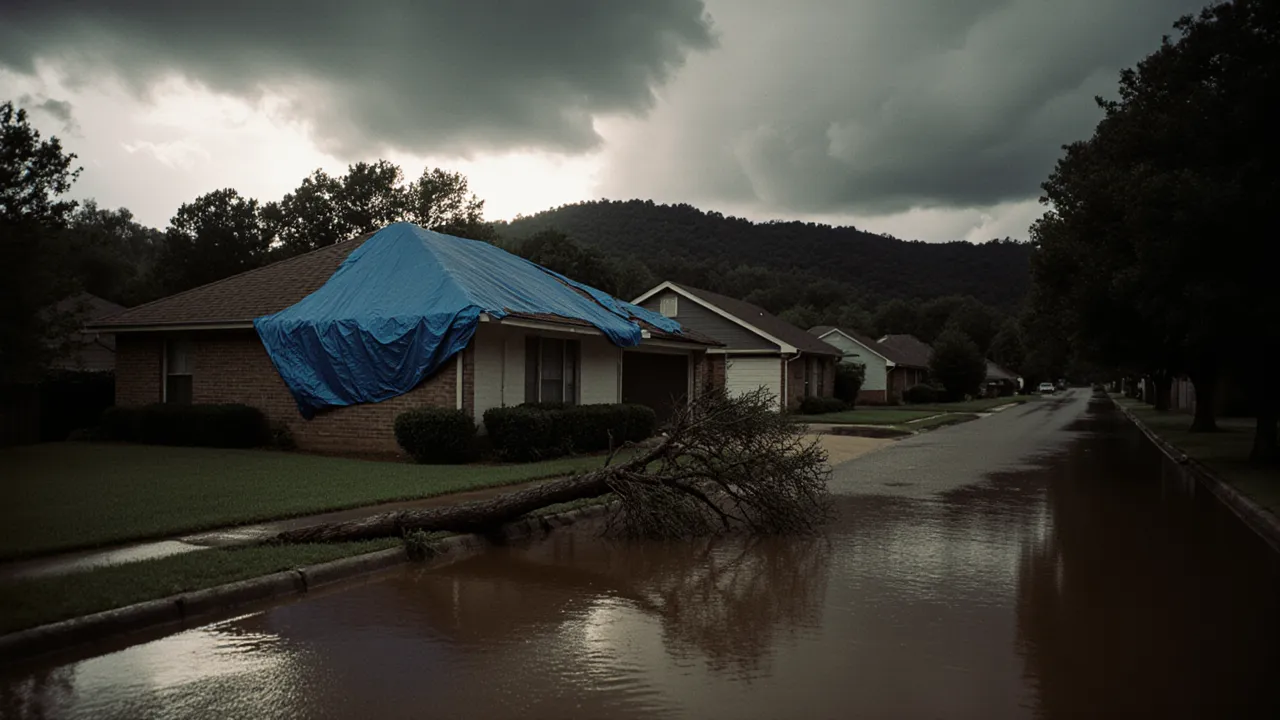
    Tarped storm-damaged roof and a downed limb across a flooded Fayetteville street below the Ozark hills

    Fayetteville sits in a landscape that is beautiful to live in and unforgiving when it rains hard. The city is built across the folded hills and hollows of the Ozark Plateau, where thin soils sit over fractured limestone and shale, and where a storm that stalls for two hours can turn a dry draw into a running creek. Add a spring severe-weather season that regularly produces damaging straight-line winds, hail and the occasional tornado, and you get a place where water damage arrives from several directions at once: through a compromised roof, up from an overwhelmed drainage swale, and sideways through a wall the wind just opened.

    This guide covers how storm and flash flood water damage actually happens in Fayetteville homes, what to do in the first hour, how professional drying works, what Arkansas insurance policies typically cover, and how to reduce your exposure before the next line of storms comes through.

    Why Fayetteville Terrain Turns Storms Into Water Damage

    Northwest Arkansas drains fast and unevenly. Neighborhoods around Mount Sequoyah, Mount Kessler and the ridges east of College Avenue shed runoff downhill in sheets, while homes in the low ground along Mud Creek, Clabber Creek, Town Branch and the West Fork of the White River take that water on. The result is a familiar local pattern: the house on the slope gets water pushed against its uphill foundation wall, and the house at the bottom of the hollow gets water rising at the door.

    Three things make it worse than the rainfall totals suggest. First, the region is heavily built out compared to a generation ago, and every new roof, driveway and parking lot in the Fayetteville and Springdale corridor sends water somewhere instead of absorbing it. Second, the shallow soil over bedrock has limited storage; once it saturates in a wet spring, additional rain runs off almost immediately. Third, many Fayetteville homes sit on crawl spaces rather than basements, and a crawl space is an efficient collector of water that nobody looks at until the smell reaches the living room.

    Storm damage compounds the problem. A hail-bruised or wind-lifted shingle does not leak the day it is damaged. It leaks three weeks later during the next heavy rain, into an attic nobody has opened since, and the first visible sign is a stain on a bedroom ceiling that is already well past its beginning.

    The Local Storm Patterns That Drive Losses

    Water damage calls in Washington County cluster around a handful of recognizable events:

    • Spring severe weather, roughly March through June. Supercells crossing the region bring hail, damaging winds and short bursts of very heavy rain. Roof and window envelope damage from this season produces leaks for months afterward.
    • Training thunderstorms. When storms repeatedly cross the same ground, three to five inches can fall in a few hours. Creeks in the hollows come up quickly, low-water crossings go under, and yards that have never flooded do.
    • Remnant tropical moisture in late summer and fall. The decayed remains of Gulf systems can park over the Ozarks and produce prolonged, soaking rain that saturates the ground and finds every drainage weakness.
    • Winter freeze events. Arkansas winters are milder than the Midwest but not mild. Hard freezes reach exposed crawl space plumbing, hose bibs and pipes in unheated garages and attics, and burst supply lines are a real part of the local loss mix.

    Your First 60 Minutes After Water Enters the House

    What you do in the first hour has more effect on the final cost than almost anything that follows. Move quickly, but do not take risks with electricity or contaminated water.

    • Stop the source if you safely can. For a burst supply line, shut the main valve and open a low faucet to relieve pressure. For storm water entering through the roof, do not climb up during or immediately after a storm; contain what you can indoors instead.
    • Cut power to affected areas at the breaker before stepping into standing water.
    • Treat floodwater as contaminated. Water that has crossed yards, streets or a crawl space carries soil bacteria, fertilizer and whatever the storm sewer was holding. Wear boots and gloves, and keep children and pets out.
    • Photograph and video everything before you move it. Wide shots of each room, then close-ups of damaged materials and the water line on the walls. Your claim depends on this documentation.
    • Lift and move what you can. Get furniture legs onto blocks, pull rugs off wood floors, and move boxes and electronics to a dry level.
    • Start extraction and drying now, not after the adjuster visits. Waiting for an inspection does not strengthen your claim; it just gives the water more time to spread.

    What Professional Water Damage Restoration Actually Involves

    Restoration is a documented process, not a cleanup crew with fans. A crew working to the IICRC S500 standard will locate and stop the source, then extract standing water with truck-mounted or portable equipment before it wicks further into building materials. Moisture meters and, where useful, thermal imaging are used to map how far the water actually traveled, because the visible wet area is almost never the full footprint. Water routinely runs under baseboards, along the underside of subfloor, into wall cavities and down into a crawl space where nothing looks wrong from above.

    Materials that cannot be dried in place are removed. Saturated carpet pad, wet insulation and drywall that has been soaked with contaminated water generally come out. Where contamination is involved, an antimicrobial is applied. Then commercial air movers and low-grain refrigerant dehumidifiers run continuously, with daily moisture readings logged, until the structure reaches a documented dry standard. That normally takes three to five days, occasionally longer for dense materials or a wet crawl space. Only after the structure is verifiably dry does reconstruction begin.

    You can read a fuller walkthrough of each phase on our process page and in our guide to how professional water damage restoration works.

    Mold and the 24-to-48-Hour Clock

    Arkansas summers are humid, and that humidity is the reason speed matters so much here. Given wet organic material and warm still air, mold can begin colonizing within 24 to 48 hours. A crawl space that took two inches of storm water and was never properly dried will produce a musty smell in the house above within a week or two, and visible growth on joists and subfloor not long after.

    The defense is not spraying something on the surface. It is removing the water fast, pulling the moisture out of the air and the materials, and correcting whatever let the water in. Where growth is already established, mold remediation under the IICRC S520 standard means containment, HEPA filtration, removal of affected porous materials and correction of the moisture source, not fogging and hoping. Our article on how fast mold grows after water damage covers the timeline in more detail.

    Preventing Storm Water Damage in a Fayetteville Home

    Most of what protects an Ozark house is drainage and envelope maintenance, done before the season rather than during it.

    • Get the roof inspected after any hail or high-wind event, even if nothing is leaking. Damage found in June is a repair; damage found in November is a claim.
    • Keep gutters and downspouts clear and extended. Oak and hickory litter fills gutters fast here. Discharge water at least six feet from the foundation, further on a slope.
    • Grade soil away from the house. Settled backfill against a foundation is one of the most common causes of chronic wet crawl spaces in the area.
    • Encapsulate or at least vapor-barrier the crawl space, and add a properly discharged sump if water collects there. Check it before storm season, not after.
    • Clear the swale. Many Fayetteville subdivisions rely on drainage easements between lots. A fence, a shed or a few years of landscaping fill can redirect that water straight into a neighbor structure.
    • Insulate vulnerable plumbing in crawl spaces, garages and exterior walls before the first hard freeze.
    • Install water alarms near the water heater, washing machine and any crawl space access. They are inexpensive and they buy hours.

    Insurance in Arkansas: What Is Usually Covered

    The distinction that decides most Arkansas claims is sudden internal water versus rising surface water. A standard homeowners policy generally covers sudden, accidental discharge from inside the home, such as a burst supply line, a failed water heater or an appliance hose letting go. It also generally covers wind-driven rain that enters through an opening the storm created, which is why documenting storm damage to the roof or windows matters so much.

    What a standard policy does not cover is rising surface water. Creek and flash flooding, water that sheets across the yard and comes in at the door, and water backing up from an overwhelmed storm drain are excluded and require separate NFIP or private flood insurance. A meaningful share of flood losses nationally occur outside mapped high-risk zones, and in a flash-flood landscape like Northwest Arkansas that gap catches people every year. Sewer and sump-pump backup usually requires its own endorsement as well.

    Because the cause of loss determines which policy responds, precise documentation is not paperwork; it is the claim. We document the source and category of the water, log daily moisture readings, and provide adjuster-grade photo and equipment records, then bill carriers directly. Our insurance guide and our post on what homeowners insurance covers go deeper.

    Frequently Asked Questions

    Does homeowners insurance cover flash flooding in Fayetteville?

    No. Rising surface water from creeks, hollows or overwhelmed drainage is excluded from standard homeowners policies and requires separate flood insurance. Sudden internal leaks and wind-driven rain through storm-created openings are generally covered. Many Fayetteville flash flood losses happen outside mapped high-risk flood zones.

    How quickly do I need to act after storm water gets into my house?

    Immediately. Extraction and drying should begin within hours. Mold can start on wet organic materials within 24 to 48 hours, and in Arkansas humidity that window is not generous. Waiting for an adjuster before drying begins usually increases the loss rather than protecting the claim.

    My crawl space took on water. Is that actually a problem?

    Yes, and it is the most commonly underestimated loss in this area. Standing water in a crawl space keeps the joists, subfloor and insulation above it damp, drives humidity up into the living space, and produces mold growth and eventually structural decay. It needs extraction, removal of saturated insulation and documented drying.

    Can wet drywall and flooring be saved?

    It depends on the water category and how long the material stayed wet. Clean water caught quickly can sometimes be dried in place. Materials soaked by flood or storm runoff are treated as contaminated and porous materials are removed under IICRC protocols rather than dried and reused.

    How fast can a crew get to my property?

    We dispatch 24 hours a day, every day, and crews serve the Fayetteville and Northwest Arkansas area. Actual arrival time depends on your location and current demand, which rises sharply during a widespread storm event, so calling early in an event matters.

    Get Help Now in Fayetteville

    Water damage in Fayetteville does not pause overnight or wait for business hours. Call our 24/7 dispatch line at (888) 502-0998 and we will get an IICRC-certified crew moving toward your property and coordinate directly with your insurance carrier.
    Related Resources

  • How Atmospheric Rivers Cause Water Damage in California Homes
    Storm Damage

    How Atmospheric Rivers Cause Water Damage in California Homes

    For most of the last decade, “atmospheric river” has gone from obscure meteorological term to a phrase every California homeowner recognizes. These…

    Read more →

    For most of the last decade, “atmospheric river” has gone from obscure meteorological term to a phrase every California homeowner recognizes. These long, narrow corridors of concentrated water vapor — the strongest of which can carry 7-15 times the water flow of the Mississippi — make landfall on the California coast during winter storms and deliver weeks of rain in days. This post explains what atmospheric rivers actually do to California homes, why the damage pattern differs from typical rainstorm losses, and how restoration adapts to atmospheric-river events specifically.

    What an Atmospheric River Actually Looks Like in California

    A typical atmospheric river (AR) event delivers:

    • 4-8 inches of rain in 24 hours over coastal counties, with up to 15+ inches over multi-day events
    • Sustained winds of 30-60 mph with peak gusts to 80+ in the strongest systems
    • Snow accumulation of 4-10+ feet in the Sierra Nevada (which then becomes spring snowmelt flooding)
    • Mudflow and debris flow potential across recent burn-scar zones

    The January 2023 atmospheric-river sequence delivered nine consecutive storms over three weeks. The February 2024 events combined extreme rainfall with hurricane-force winds across Southern California. Each AR event generates thousands of simultaneous water-damage calls across the affected region.

    Where California Homes Fail During AR Events

    AR-driven water damage clusters around five recurring failure modes:

    Failure 1: Hillside foundation seepage. Saturated soils on the steep terrain of Los Angeles canyons, San Francisco hills, Marin County, and East Bay hillsides push hydrostatic pressure against foundations. Homes in Bel-Air, the Hollywood Hills, Silver Lake, Mount Washington, the Berkeley hills, and Oakland’s east hills routinely take water through foundation cracks during AR events.

    Failure 2: Flat-roof ponding failures. Mid-Wilshire apartments, Koreatown stock, San Francisco Mission and SOMA flat-roofed buildings, and Oakland flat-roof commercial all see ponding-water failures after extended rain. Drains clog with debris, water pools beyond design capacity, and the roof membrane fails.

    Failure 3: Atmospheric-river surface flooding. Low-lying neighborhoods (Mission Valley in San Diego, parts of Sacramento’s downtown, San Jose’s Coyote Creek corridor, areas adjacent to the Los Angeles River, Russian River communities) see actual flood-stage water rising during the most extreme events.

    Failure 4: Burn-scar mudflow events. Communities downstream of recent fire burn scars (Eaton fire 2025, Palisades 2025, the 2018 Woolsey scar, the 2018 Camp fire scar) face debris-flow risk during AR events. Mud-laden water is Category 3 and requires full antimicrobial protocols plus debris removal.

    Failure 5: Skylight and roof-penetration leaks. Older California homes have many roof penetrations — original skylights, HVAC roof units, plumbing vents — and the seals degrade in the dry summer months. The first AR of the wet season finds every failed seal.

    Why California Insurance Won’t Cover Most AR Damage

    California’s homeowners insurance market has unique exclusions that catch homeowners off-guard after AR events:

    Standard California homeowners (HO-3) covers: – Sudden plumbing failures (pipe burst, water heater) – Wind-driven rain through storm-damaged roof or windows

    Standard California homeowners does NOT cover:Rising surface water from an AR event flooding ground-level rooms (this is “flood” — requires NFIP) – Atmospheric-river runoff seeping through foundation walls (this is “groundwater” — excluded) – Mudflow from burn-scar runoff (specifically excluded in most policies) – Long-term roof leaks that show evidence of months-long water entry (gradual-damage exclusion)

    After the 2023 atmospheric-river sequence, many California homeowners discovered they lacked coverage for what their carriers categorized as “groundwater” or “surface water” intrusion. NFIP flood policies are critical for properties in:

    • Mission Valley (San Diego)
    • Areas along the LA River
    • Russian River communities
    • Sacramento delta zones
    • Salinas Valley flood-prone areas

    Carriers we direct-bill in California include State Farm, Farmers, Allstate, USAA, AAA (CSAA), Mercury, Wawanesa (very common in San Diego County), and the FAIR Plan (for properties dropped by standard carriers due to wildfire risk).

    What Restoration Looks Like After California AR Events

    The California AR restoration playbook differs from typical residential water-damage work:

    Hour 0-12: Source containment and extraction. Hillside seepage requires diverting runoff away from the foundation before extraction makes sense. Mudflow events require excavation and debris removal before any structural drying.

    Day 1-3: Drying setup with elevated dehumidification. Coastal California’s marine-layer humidity (60-80% RH year-round) means we run elevated dehumidification capacity even though raw temperatures are mild.

    Days 3-10: Active structural drying. California’s mix of pre-1960 lath-and-plaster (in Hancock Park, San Francisco Victorians, downtown Sacramento) and post-1960 stucco-and-OSB requires technicians to switch drying approaches based on construction era.

    Days 10-21: Reconstruction. California’s permitting environment varies dramatically by jurisdiction. Los Angeles County permit timelines can extend 4-8 weeks for any work involving structural repairs.

    Frequently Asked Questions

    Does California homeowners insurance cover atmospheric-river water damage?

    Wind-driven rain through storm-damaged roofs or windows is typically covered. Rising surface water, hillside groundwater seepage, and mudflow are typically NOT covered — those require NFIP flood insurance. The distinction often determines whether a claim is covered or denied.

    How fast do California homes need extraction after an atmospheric river?

    The IICRC 72-hour mold-growth window applies in California, but coastal humidity compresses it to 48-60 hours in the wet season. Hillside and canyon-edge homes also face structural-stability risk from saturated foundations — getting extraction started within 24 hours is the high-leverage move.

    Can I prevent atmospheric-river damage to my California home?

    Several preventive moves reduce risk: extend downspouts 6-10 feet from the foundation; clear roof drains and gutters before October 1; seal foundation cracks proactively; install backup sump pumps in basement spaces (where applicable); maintain hurricane-rated window seals on coastal properties; sign a pre-loss agreement with a local IICRC-certified contractor before the wet season starts.

    What’s the typical timeline for AR-damage restoration?

    7-14 days for structural drying on Cat-1 events, 10-21 days for Cat-2/Cat-3 events. Reconstruction adds 2-6 weeks depending on local permit timelines. Burn-scar mudflow events run longer due to debris removal phases.

    Get a California Crew on Your Property

    Atmospheric-river events generate thousands of simultaneous calls across the state. Live dispatcher 24/7.

    Call (888) 502-0998 — California crews dispatch from LA, San Diego, San Francisco Bay Area, Sacramento, and Central Valley locations. We bill major California carriers directly plus NFIP for flood losses.

    Related: Los Angeles water damage restoration, San Diego water damage restoration, flood damage restoration services, emergency water damage restoration.

  • Water Damage Risks During Florida Hurricane Season
    Storm Damage

    Water Damage Risks During Florida Hurricane Season

    Florida runs the longest, most intense hurricane season in the continental United States. From June 1 to November 30, every Florida homeowner…

    Read more →

    Florida runs the longest, most intense hurricane season in the continental United States. From June 1 to November 30, every Florida homeowner is essentially on standby for the next named storm. The pattern is so well-established that restoration capacity, insurance markets, and even how homes are built have all been reshaped by repeated hurricane events. This guide breaks down what specifically happens to Florida homes during hurricane water events, the unique insurance landscape, and what to expect from professional restoration.

    How Hurricanes Cause Water Damage in Florida

    Three distinct water-entry mechanisms occur during a Florida hurricane, often simultaneously:

    Mechanism 1: Wind-driven rain through compromised envelopes. Cat-2 winds (96-110 mph) drive rain horizontally through any weakness — window seals, roof flashing, soffit vents, garage doors. Modern Florida construction includes hurricane shutters and impact-rated windows, but older homes (pre-1992 in Miami-Dade, pre-2002 in Central Florida) have aging window seals that fail at predictable wind speeds.

    Mechanism 2: Roof failures during sustained Cat-3+ winds. When sustained winds exceed 111 mph, roof shingles lift, tiles dislodge, and metal roofs separate from underlayment. The result is immediate water entry into attic spaces and from there into ceilings and walls. Even after the storm passes, the compromised roof continues leaking with every subsequent rain event for weeks.

    Mechanism 3: Surge and rising floodwater. Coastal communities (Miami Beach, Surfside, Key Biscayne, Fort Lauderdale beaches, Naples, Fort Myers Beach, Pensacola Beach, Daytona Beach, Jacksonville Beach) face storm surge — the wind-driven rise of seawater that can exceed 10-15 feet during major hurricanes. Surge is the deadliest aspect of hurricanes and creates Category 3 water emergencies wherever it inundates structures.

    The Florida Construction Reality

    Florida building stock falls into three eras that respond very differently to hurricane water:

    Pre-1992 wood-frame and stucco-wrapped homes (much of Coral Gables, Coconut Grove, the older parts of Miami Beach, older Hollywood and Fort Lauderdale neighborhoods, Tampa Bay’s historic areas) use hardwood interior walls, original terrazzo or wood flooring, and lath-and-plaster construction. These dry slowly and require careful controlled-evaporation drying to avoid further damage.

    Post-Hurricane Andrew (1992-2002) concrete-masonry-unit (CMU) construction dominates Miami-Dade. CMU is strong against wind but holds moisture inside the block once water gets in. Drying a CMU home takes longer than a wood-framed equivalent in another climate — we routinely run dehumidification for 10-14 days on Cat 2/Cat 3 losses in CMU buildings.

    Post-2002 engineered framing with hurricane straps and impact-rated windows defines newer Florida construction. These homes resist initial water intrusion better but are more sensitive to repeat moisture cycles once water DOES get in. The engineered I-joists and OSB sheathing wick moisture rapidly.

    The Florida Mold Reality

    The IICRC 72-hour mold-growth window is industry standard. In Florida’s climate, that window compresses dramatically. Year-round humidity averages 75% along the coast and 80%+ during summer. Inside an air-conditioned home, dew point and indoor humidity push wall-cavity conditions to 100% relative humidity within hours of a water event.

    Mold colonies start forming visibly at 24-36 hours in Florida, not 72. Restoration crews working Florida storm events run negative-pressure containment on essentially every Cat-2 or Cat-3 loss, plus elevated dehumidification capacity (typically 50% above textbook calculation).

    If a home goes more than 48 hours without active dehumidification after a hurricane water event, mold remediation should be assumed as part of the scope. Budget accordingly.

    Florida Hurricane Insurance: The Most Complex Market in America

    Florida’s homeowners insurance market has experienced repeated upheavals since 2017. Multiple national carriers have left the state; the residual market has shifted heavily to Citizens Property Insurance (the state-backed insurer of last resort), which now covers more than 1.3 million Florida properties.

    Key Florida insurance realities:

    • Hurricane deductibles typically run 2-5% of dwelling value (not flat dollar). On a $400,000 Florida home with a 2% hurricane deductible, the first $8,000 comes out of pocket.
    • Flood is separate. Standard Florida homeowners policies exclude flood. NFIP flood insurance (or private flood policies from companies like Neptune or TypTap) is required for rising-water claims.
    • Wind-driven rain coverage can be contested. Some carriers argue that water entry through wind-damaged roof openings is “flood-related” (excluded); others cover it as wind-driven rain (covered). Documentation of the wind damage timing matters.
    • Citizens, Universal Property, Heritage, FedNat, Tower Hill, State Farm, USAA are the main private + state carriers we direct-bill in Miami-Dade, Broward, Palm Beach, and Orange counties.

    What to Expect From Florida Hurricane Restoration

    A typical Florida Cat-3 hurricane restoration runs:

    • Days 1-3: Emergency mitigation, extraction, content pack-out, source containment, antimicrobial application.
    • Days 3-10: Active structural drying with negative-air containment for Cat-2/Cat-3 work. Daily moisture monitoring.
    • Days 10-15: Drying verification, equipment removal, post-remediation testing if mold remediation was involved.
    • Days 15-45: Reconstruction (drywall replacement, flooring, cabinets, baseboards). Reconstruction timing depends heavily on permit availability post-storm.

    Pre-Hurricane Preparation for Florida Homeowners

    A few preparations consistently reduce hurricane water-damage losses:

    • Move documents, photos, and valuables to second floor by June 1. King-tide and surge flooding affects ground-level rooms first.
    • Sign a pre-loss restoration agreement with a local IICRC-certified Florida contractor BEFORE hurricane season. Companies prioritize existing customers when call volume spikes.
    • Photograph every room with timestamped phone walkthrough annually. Update after any major purchase or renovation.
    • Verify flood insurance is in force AND covers contents, not just dwelling. Many policies are dwelling-only by default.
    • Identify your hurricane deductible before the storm. The financial difference between a 1% and a 5% deductible on a $400,000 home is $16,000.

    Frequently Asked Questions

    How fast does mold form after hurricane water damage in Florida?

    In Florida’s climate, mold colonies start forming visibly at 24-36 hours, compared to the IICRC industry-standard 72 hours. Florida’s elevated humidity and the wall-cavity microclimate created by AC operation compress the mold-growth window significantly.

    Is hurricane water damage covered by homeowners insurance in Florida?

    Wind-driven rain through storm-damaged roofs and windows is typically covered (with hurricane deductible applied). Rising surface floodwater is NOT covered by homeowners — requires NFIP flood or private flood insurance. The distinction between wind-driven rain and flood can be contested and depends on documentation.

    How long does Florida hurricane water damage restoration take?

    Typical timeline: 10-21 days for structural drying after a Cat-3 hurricane event, plus 2-6 weeks for reconstruction. Mold remediation adds 5-10 days. Permit availability and contractor capacity post-storm can extend the reconstruction phase considerably.

    What’s the response time for a Florida restoration crew after a hurricane?

    Normal response inside Miami-Dade, Broward, Orange, and Hillsborough counties is 30-90 minutes. During the first 72 hours of a major hurricane response, every restoration company in Florida runs at capacity, and response times stretch to 24-72+ hours for new customers. Existing customers with pre-loss agreements get priority.

    Get Florida Crews on Your Property

    If you’re prepping for a storm or in the immediate aftermath of one, our Florida dispatch desks operate 24/7.

    Call (888) 502-0998 — Florida crews dispatch from Miami, Orlando, Tampa, Jacksonville, and the panhandle. We direct-bill Citizens Property Insurance, NFIP, plus every major Florida private carrier.

    Related: Miami water damage restoration, Orlando water damage restoration, flood damage restoration services, emergency water damage restoration, mold remediation specialists.

  • Water Damage in Basements: Causes and Prevention
    Water Damage

    Water Damage in Basements: Causes and Prevention

    Basements collect the water everywhere else in the house pushes downward. Here is how the damage happens and how to prevent most…

    Read more →

    Basements are where water damage finds you. Gravity, hydrostatic pressure, and the lowest point of every drainage system all point the same direction: down, into your basement. The result is that basement water claims account for a disproportionate share of every restoration crew’s call volume.

    Understanding the failure modes lets you prevent most of them and respond faster when prevention fails.

    The five most common basement water sources

    1. Sump pump failure. The sump pit collects groundwater that hydrostatic pressure pushes through the foundation. The pump kicks on when the pit fills and pushes the water outside. When the pump fails — motor burned out, float switch stuck, power loss during a storm — the pit overflows and the basement floods. Sump pump failures are the single most common preventable basement loss we see in Detroit, Cincinnati, Milwaukee, and Pittsburgh.

    2. Combined sewer overflow (CSO). Older cities have storm sewers and sanitary sewers in the same pipe. During heavy rain the combined flow exceeds capacity and backs up through the lowest fixture — usually a basement floor drain. The water is Cat 3 (sewage-contaminated) from the moment it appears.

    3. Foundation seepage. Cracks in foundation walls, deteriorated tar coating, clogged or absent perimeter drain tile, and high water tables all allow water to migrate through the foundation. This is usually a slow, chronic problem rather than a sudden event.

    4. Burst supply lines. Many homes route plumbing through the basement (water heater, washer hookups, shutoff valves, exposed copper). When a supply line fails, gravity sends the water to the lowest point of the basement.

    5. Window well overflow. Basement window wells fill with water during heavy rain if drainage is clogged. The water rises until it reaches the window, then enters through the frame or seal.

    What insurance covers (and what it does not)

    Standard homeowners coverage handles most sudden-and-accidental supply-line failures and window well overflows. Sump pump failure typically requires a specific endorsement; without it, the carrier denies. Sewer backup requires a specific endorsement too — carriers offer it for $50–$200/year and most homeowners do not have it.

    Foundation seepage is the trickiest. Slow, chronic seepage is excluded as a maintenance issue. A sudden dramatic event — like hydrostatic pressure breach during a 100-year storm — may be covered depending on policy language and adjuster discretion. Documentation of the cause matters enormously.

    Rising surface water from creek overflow or street flooding requires flood insurance, not homeowners.

    Prevention that actually works

    Add a sump pump battery backup or water-powered backup. A 30 amp-hour battery runs the pump through a 4–6 hour power outage. Water-powered backups run on municipal water pressure and last as long as your water service holds. Both options are $300–$700 installed and prevent the majority of storm-related basement floods.

    Install a backwater valve. A backwater valve on the sewer lateral prevents municipal sewer backup from entering the property. Installed cost $1,500–$3,000 in most plumbing codes. Critical in CSO-prone neighborhoods.

    Maintain perimeter drainage. Clean gutters seasonally. Extend downspout drainage at least 6 feet away from the foundation. Grade soil to slope away from the building. Check perimeter drain tile cleanouts annually.

    Install or upgrade a sump pump moisture sensor. A $30 wifi-connected sensor in the sump pit alerts you when water rises above normal. Catches failed pumps before the basement floods.

    Replace aging supply lines proactively. Polybutylene, galvanized steel, and early copper are all at end of life. Replace them on a planned schedule rather than after they fail. Reconstruction from an avoidable pipe failure costs 10–30x what proactive replacement would have cost.

    Climate amplifies basement risk

    Cold-climate cities (Milwaukee, Detroit, Boston, Philadelphia, Cincinnati) face frozen pipe bursts in winter plus sudden-thaw flooding in spring. Both produce basement water claims that pile up at predictable times of year. We pre-stage crews when sustained sub-zero stretches or rapid warm-ups are forecast.

    PNW climates (Seattle, Portland) face chronic seepage rather than sudden floods. Most older Craftsman and Bungalow basements seep every winter without ever experiencing a discrete flood event. The cumulative damage to framing and finished space is comparable to one major flood.

    What to do when the basement floods

    If sewage or storm water is involved, the basement is Cat 3 from the start. Do not enter standing water until power is off. Do not touch contaminated materials without PPE.

    Call (888) 502-0998 immediately. Document with photos before any cleanup. Open the insurance claim once the dispatcher confirms arrival time. Most basement floods take 5–10 days for mitigation and drying plus 2–6 weeks for reconstruction.

    FAQ

    How often should I test my sump pump?

    Quarterly. Pour a 5-gallon bucket of water into the pit and verify the pump activates and clears it. Replace the pump every 7–10 years even if it still works — failure rates climb sharply after the first decade.

    Can I clean a basement flood myself?

    For a small clean-water event (supply line failure caught within hours, no migration into walls), yes — with truck-mount-equivalent extraction equipment. For anything Cat 2 or Cat 3, or any event that has been sitting more than 12 hours, professional water damage cleanup is appropriate.

    How long does basement drying take?

    Concrete dries slowly. Even with commercial dehumidification, expect 5–10 days for finished basements and 3–7 days for unfinished. Verified by moisture readings.

    Will basement reconstruction match the original?

    We rebuild to like-kind, like-quality. Custom finishes that are no longer available can usually be matched closely; we document the original specifications in the scope.

    Call (888) 502-0998 for basement water emergency dispatch 24/7.

  • Why Fast Structural Drying Matters (And Why 72 Hours Is the Threshold)
    Water Damage

    Why Fast Structural Drying Matters (And Why 72 Hours Is the Threshold)

    The 72-hour threshold for structural drying is not arbitrary. It is the practical boundary between mitigation and remediation.

    Read more →

    Every IICRC-certified water damage restoration crew watches the same number: 72 hours. It is the threshold between a job that closes with drying alone and a job that becomes a mold remediation project. The threshold matters for cost, scope, timeline, and insurance treatment.

    Here is why structural drying speed determines so much, and what the threshold actually means.

    The biology, simplified

    Mold spores are in your house right now. Normal indoor concentrations are harmless. The spores become a problem only when they find sustained moisture (porous material above ~20% moisture content) combined with food (cellulose: drywall paper, wood, cotton, cardboard).

    Given those two conditions, most molds begin germinating within 24–48 hours. By 72 hours, visible colonies are usually established. By a week, the colony has produced its own spores and is reproducing.

    This is why drying must begin in the first 24 hours and must bring materials below 16% moisture content before 72 hours. Hit the window, prevent mold growth entirely. Miss it, and the scope expands.

    What “structural drying” means in practice

    Structural drying refers to drying the framing and built-in materials of the property: studs, plates, joists, subfloors, drywall, insulation, hardwood, tile substrate. Surface drying (carpet, contents, visible items) is the easier part. The challenge is the materials inside wall cavities, under flooring, and behind cabinetry — spaces ambient air does not reach.

    Crews accomplish structural drying with:

    • Air movers — high-velocity fans (typically 2,500–3,400 CFM) that move air across affected surfaces to accelerate evaporation
    • Dehumidifiers — commercial units sized in pints-per-day capacity, matched to the cubic footage and humidity load
    • Drying chambers when wall cavities are involved — pressurized airflow injected into the cavity through small holes drilled at the base
    • Floor mat systems for hardwood — sealed mats placed on the floor surface with negative pressure pulling water out from below
    • Heat at strategic phases — warm dry air holds more moisture than cool air, accelerating evaporation

    Equipment runs continuously, usually 3–7 days depending on saturation, material types, and ambient conditions.

    The verification process

    Drying is not done when crews think it looks dry. It is done when moisture meters confirm every affected material has reached its dry standard, which varies by material:

    • Drywall: below 16% moisture content (pinless meter)
    • Wood framing: below 14% moisture content (pin meter)
    • Concrete: below 4 lbs per 1,000 sq ft per 24 hours (calcium chloride or in-situ probe)
    • Hardwood floors: within 2–4 percentage points of unaffected baseline

    Readings are logged daily across multiple points. Drying is verified, not estimated. The drying log is part of the insurance documentation; carriers expect to see it.

    Why ambient conditions change the math

    The same loss dries faster in some climates than others. In hot, dry conditions — Phoenix, Denver in summer, the desert Southwest — air movers alone can dry materials within 3–5 days. Ambient air pulls moisture out naturally.

    In humid Pacific Northwest conditions — Seattle, Portland in winter — drying takes 30–50% longer. Ambient humidity is high, so dehumidifiers do most of the work. We size dehumidification heavily and run longer.

    In humid Southeast summer conditions — Atlanta, Orlando, Memphis — both heat and humidity are high. We use a combination of dehumidification and controlled heat, and we treat the mold growth window as 18–36 hours rather than the standard 24–48.

    Costs of missing the 72-hour window

    Suppose a customer calls within hours and gets a crew on site Day 1. Drying runs Day 1 to Day 5. Materials reach dry standard. Reconstruction is minor (replacing baseboards, touching up paint). Total: 1–2 weeks, modest cost, scope stays within the original estimate.

    Now suppose the customer waits five days hoping the loss dries on its own. By the time crews arrive, mold growth has begun. The scope now requires: containment construction, removal of mold-affected materials, antimicrobial application, HEPA filtration, verified clearance, full reconstruction of removed materials, possibly third-party clearance testing. Total: 4–8 weeks, 2–4x the cost, and the carrier may push back on coverage of the mold-related expansion.

    The 72-hour window is the practical threshold between these two scenarios.

    What homeowners can do

    • Call (888) 502-0998 the moment you notice damage — do not wait to assess severity
    • Document with photos before moving anything
    • Stop the water source if you safely can
    • Begin extraction with what you have if a crew is more than an hour away (rugs out, fans on if the water is clean)
    • Do not turn on HVAC over the affected area if water reached registers
    • Stay out of standing water until power is confirmed off

    FAQ

    How do crews monitor drying progress?

    Daily site visits with moisture meters, recorded on a drying log. Equipment is repositioned based on readings. Drying is declared complete only when materials reach dry standard at every documented point.

    Can drying equipment be left running unattended?

    Yes, and it usually is. Equipment runs 24/7 throughout the drying phase. Crews return daily for readings and adjustments. Power consumption is significant; this is part of the documented scope.

    What if drying is not making progress?

    Sometimes a hidden water source continues to add moisture (an unfixed slab leak, an ongoing roof leak). Crews investigate and resolve the source before drying can succeed. Comprehensive restoration includes finding and stopping the source.

    Do you handle structural drying in PNW winters?

    Yes. Water removal and structural drying in Seattle and Portland account for our most common winter call volume. We size equipment for the climate and verify dry standards with extra readings.

    Call (888) 502-0998 24/7 for fast drying dispatch.

  • 7 Signs You Have Hidden Water Damage Behind Walls
    Water Damage

    7 Signs You Have Hidden Water Damage Behind Walls

    Hidden water damage starts inside the wall cavity, where you cannot see it. Here are the seven warning signs to take seriously.

    Read more →

    The most expensive water damage jobs we run are the ones the customer did not know about for weeks. A small supply-line drip behind drywall, an HVAC condensate line slowly weeping into a wall, a roof leak migrating along a rafter — all of these can run quietly for a month before they reveal themselves. By then the mitigation scope has doubled or tripled.

    Knowing the early signs gets a crew on site while the damage is still small. Here are the seven to watch for.

    1. Persistent musty odor with no visible source

    The smell of damp cardboard, old basement, or stale gym towel coming from a specific area — especially when it gets stronger in warm or humid weather — almost always indicates active mold growth inside a wall cavity, under flooring, or in an HVAC duct. The smell is volatile organic compounds produced by mold colonies, not the water itself.

    This is the most reliable early sign because it precedes visible damage by weeks. If you smell it, get a moisture meter on the suspect wall.

    2. Discoloration or staining on drywall

    Yellow, brown, or rust-colored rings on a ceiling or wall are water lines. They show where water sat or migrated. A fresh stain that grows over days indicates an active leak above the affected area. An old stain that has not changed in months may indicate a resolved leak (or a leak that resolved by drying without anyone addressing the source).

    Drywall paper turns yellow as it dries from a previous wetting. Tannins in plywood and pine framing leach through drywall paint over time when there is sustained moisture.

    3. Soft, spongy, or warped flooring

    Hardwood that cups, crowns, or has visible gaps; laminate that has separated at the seams; tile that sounds hollow when tapped; vinyl that has lifted off the subfloor — these all indicate the subfloor below has been wet. Sometimes the source is above (a leak migrated down), sometimes it is below (a slab leak or basement humidity).

    Slab leaks are the most common cause in Dallas, Houston, and the desert Southwest. A leak-detection scope tells you exactly where the failure is before tear-out begins.

    4. Peeling paint, bubbling wallpaper, or efflorescence

    Paint blistering or peeling away from drywall in patches is moisture pushing the paint film off the substrate. Wallpaper bubbling and lifting at seams is the same mechanism. On masonry or concrete (basements, foundation walls), white powder or crystals on the surface — called efflorescence — is mineral deposits left behind as water evaporates through the wall.

    All three indicate sustained moisture migration through the wall. If you see efflorescence on a basement wall, you have water entering the foundation faster than it evaporates.

    5. Higher-than-normal water bills

    A water bill that jumped 30–200% without a behavioral change usually means a hidden leak. Check the water meter with all fixtures off — if the meter moves, you have a leak somewhere in the building plumbing.

    Common hidden-leak sources: supply line in a slab (most expensive to find and fix), toilet flapper that runs intermittently (cheapest to fix), irrigation line cracked underground (visible only as soft ground or unusually green grass).

    6. Visible mold spots on baseboards, corners, or under sinks

    Black, green, or pink-orange spots on baseboards, in corners near floors, on the back of cabinets under sinks, or around the base of toilets are confirmed mold growth. The colony you can see is rooted in a substrate behind the visible portion. Spraying bleach on the surface kills surface spores but does not address the colony inside the material.

    Mold remediation at this stage usually involves removing the affected drywall, baseboard, or cabinet portion, drying the structural framing, antimicrobial treatment, and replacing what was removed.

    7. Respiratory symptoms that improve when you leave the house

    Headaches, sinus congestion, throat irritation, asthma flares, or general fatigue that improve within a few hours of leaving the home and return within a few hours of coming back can indicate indoor air quality issues from hidden mold growth. The trigger may not be visible.

    This is not a diagnosis — many things cause indoor air quality issues — but combined with any of the other signs above, it is a reason to call for a moisture assessment.

    What to do if you see one or more of these signs

    Get a moisture meter reading on the suspect surface. Hardware-store meters cost $25–$50 and tell you whether elevated moisture is present. If readings are above 16% for drywall or above 14% for wood framing, you have an active or recent water event.

    Call (888) 502-0998 for a free assessment. Our water damage restoration dispatch covers Seattle, Portland, Boston, and 45+ other cities for under-an-hour response. The earlier you address hidden damage, the smaller the scope and cost.

    FAQ

    How do I tell if a stain is old or active?

    Photograph the stain edge and check again in 24–48 hours. If the edge has moved or the stain has darkened, the leak is active. Static stains are old, but they still indicate that water entered at some point and may have left mold behind.

    Should I cut into the wall to check?

    Generally no. Cutting drywall releases any mold spores that may be inside the cavity into the room. Use a moisture meter and a borescope (rentable, $40–$80) to inspect without breaking containment.

    What does an assessment cost?

    Our dispatched assessment is free if mitigation work follows. Standalone assessments without subsequent work are typically $150–$350 depending on scope.

    How long does hidden damage take to fix?

    Caught early, 5–10 days mitigation and 1–2 weeks reconstruction. Caught late after mold has spread, 2–4 weeks mitigation and 3–6 weeks reconstruction.

    Call (888) 502-0998 the moment you suspect hidden water damage.

  • Category 3 Water Damage: What Sewage Cleanup Actually Means
    Sewage Cleanup

    Category 3 Water Damage: What Sewage Cleanup Actually Means

    Sewage backups, storm-surge intrusion, and combined sewer overflow events are Category 3 from the moment they happen. Here is what that means…

    Read more →

    The IICRC S500 standard classifies all water losses by contamination level. Category 3 is the most dangerous — water that contains grossly contaminated material capable of causing illness or death if ingested. The cleanup scope and the insurance treatment are different from any other water loss.

    Here is what Category 3 means in practice.

    What qualifies as Category 3

    By definition, Category 3 (also called “black water”) includes:

    • Sewage backups — toilet backups originating from the sewer side, drain stack failures, septic backups
    • Combined sewer overflow (CSO) events — common in older cities like Detroit, Cincinnati, and Pittsburgh during heavy rain
    • Rising flood water from outside — street flooding, river overflow, storm surge. Even visually clear flood water carries street contaminants and is Cat 3 by default.
    • Water that has been sitting more than 48 hours and supported microbial growth — a Cat 1 or Cat 2 loss escalates to Cat 3 over time if not mitigated
    • Toxic chemical intrusion — rare in residential settings

    What containment looks like

    The first thing on a Cat 3 job is containment, not extraction. Crews build physical barriers around the affected area using 6-mil polyethylene sheeting and zipper doors. Negative-pressure HEPA filtration units run continuously to keep contaminated air from migrating to clean parts of the property. Workers wear full PPE: Tyvek suits, respirators with P100 filters, nitrile gloves, rubber boots.

    Adjacent rooms and the HVAC system get isolated. Forced-air HVAC is shut down completely until the loss is mitigated; running it would spread contaminants throughout the house.

    What gets removed (almost everything porous)

    The S500 standard requires removal of porous materials contacted by Cat 3 water. That typically includes:

    • Drywall (often to 24″ above the water line, sometimes higher)
    • Insulation
    • Carpet and carpet pad
    • Subfloor if affected (often)
    • Cabinetry that contacted the water (kick-plates, base cabinets)
    • Upholstered furniture and most soft contents (mattresses, sofa cushions, pillows, rugs)

    Sealed concrete, tile, hardwood floors with intact finish, glass, and metal can usually be cleaned and disinfected rather than removed. Personal contents are evaluated individually — many cannot be effectively decontaminated.

    Antimicrobial treatment

    After porous materials are removed, the remaining surfaces and structural framing get EPA-registered antimicrobial application. We use products specifically registered for Cat 3 water damage and sewage contamination. Application protocol follows the product label exactly — contact time, dilution, surface preparation.

    Then structural drying begins under continued containment. Daily moisture readings verify the framing dries to standard. Mold remediation protocols run in parallel because Cat 3 events almost always create Condition 2 or Condition 3 environments.

    Verified clearance

    Before containment comes down, we verify clearance. This includes visual inspection per IICRC S500/S520 protocols, moisture content verification on all framing, and (in some scopes) third-party industrial hygienist clearance testing. Reconstruction starts only after clearance is documented.

    What insurance pays

    Coverage depends on what triggered the Cat 3 event:

    • Sewer or drain backup originating from the building — requires a sewer backup endorsement on your homeowners policy. Most carriers offer this for $50–$200/year. Without the endorsement, the carrier denies. With it, the full sewage cleanup scope is covered up to the endorsement limit.
    • CSO event flooding into basement — usually requires the sewer backup endorsement; some carriers exclude even with the endorsement during declared emergency events.
    • Rising surface water flooding — not covered by homeowners. Requires NFIP or private flood policy. The Cat 3 cleanup scope is covered against the flood policy up to its limits.
    • Toilet backup from supply side (clean water) — covered under standard homeowners. Not Cat 3 unless the water sat long enough to escalate.

    Health concerns — not abstract

    Cat 3 water carries pathogens including E. coli, Hepatitis A, norovirus, Giardia, and various bacteria. The CDC and EPA both recommend professional remediation for any sewage-contaminated event of more than minimal scope.

    Symptoms after exposure can include gastrointestinal illness, skin infections, respiratory symptoms, and (in immunocompromised individuals) more serious infection. Children, elderly residents, and anyone with respiratory or immune conditions should leave the property until containment is established and remediation is underway.

    Climate amplifies the risk

    Cities with combined sewer systems — Detroit, Cincinnati, Pittsburgh, parts of Columbus and Kansas City — experience CSO events whenever rainfall exceeds drainage capacity. Hundreds of basements can flood simultaneously. Water damage cleanup crews stage extra capacity when major storms are forecast in these markets.

    FAQ

    Can I just bleach a sewage backup?

    No. Surface bleaching does not address contaminants in porous materials. Affected drywall, carpet, and subfloor must be removed. Bleach also does not provide the residual antimicrobial protection that EPA-registered restoration products do.

    How long does Cat 3 cleanup take?

    Mitigation and drying: 5–10 days. Reconstruction: 3–8 weeks depending on scope. Larger basement floods can run 8–12 weeks.

    Will my home be safe to live in during the work?

    Containment isolates the affected area from the rest of the home. Most customers can continue living in the unaffected portions. Crews coordinate around your schedule. We discuss displacement on the initial scope visit if conditions warrant it.

    Do you handle Cat 3 calls 24/7?

    Yes. Call (888) 502-0998 for emergency dispatch.

  • Water Damage

    Water Removal vs. Water Damage Restoration: What is the Difference

    Two terms that sound similar but cover very different scopes. Knowing which you need keeps the insurance scope clean.

    Read more →

    Water removal vs water damage restoration

    Two terms get used interchangeably across the restoration industry, and the difference matters when you are filing an insurance claim or comparing quotes from different crews.

    Water removal is one step. Water damage restoration is the full cycle. Here is the practical breakdown.

    What water removal actually is

    Water removal — sometimes called water extraction — is the physical act of pulling standing water out of a property. Truck-mounted extractors, submersible pumps, and wet/dry vacuums get water off floors, out of wall cavities, off carpets, and out of subfloors. On a typical residential loss with one or two inches of water across a few rooms, water removal takes 1–3 hours.

    If your loss is small — a clean overflow that you caught fast, no soaked materials, no migration into walls or subfloors — water removal alone might be the only service you need. The materials dry out naturally, no mold risk emerges, and you are done.

    What water damage restoration covers

    Water damage restoration is the full IICRC S500 process. It includes water removal as Step 1, then continues:

    • Moisture mapping and documentation — pin and pinless meter readings on every affected surface, photographs, written scope
    • Removal of unsalvageable materials — wet drywall, wet insulation, wet carpet pad, wet subfloor (often) per S500 categories
    • Structural drying — air movers and dehumidifiers sized to the cubic footage, monitored daily, run until moisture content drops to dry standard
    • Sanitization — antimicrobial application on affected materials, with EPA-registered products if the water was Category 2 or 3
    • Reconstruction — rebuilding what was removed: drywall, insulation, paint, flooring, cabinetry, finish carpentry

    A typical residential restoration job runs 5–10 days for drying plus another 2–6 weeks for reconstruction depending on scope.

    How to know which you need

    Use this quick decision tree:

    • Clean water, caught within hours, no migration, no soaked porous materials → water removal might be enough. Verify with a moisture meter reading; if everything reads below 16% moisture content within 24 hours of extraction, you are done.
    • Water sat for 12+ hours, or reached drywall/subfloor, or you can see staining → full restoration scope. The damage extends beyond what you can see.
    • Gray or black water (washer, dishwasher, toilet overflow, sewage, storm) → full restoration with mold protocols. Contaminated water is Cat 2 or Cat 3 by definition.
    • Any musty smell, discolored drywall, or visible mold → full restoration plus possible mold remediation. The loss is older or more extensive than you realized.

    Why insurance carriers care about the distinction

    Your homeowners policy covers water damage restoration when triggered by a covered peril. Carriers pay against an Xactimate-compatible scope of work that breaks out each phase. If your crew bills only for water extraction and stops there, the carrier pays only for that. If the property needed full drying and reconstruction and the documentation supports it, the carrier pays the full scope.

    This is why proper documentation matters. A crew that arrives, runs an extractor for two hours, and leaves often misses 40–60% of the covered scope — meaning you the homeowner pay for what should have been claimable. We document to IICRC S500 standards on every job specifically to keep the carrier conversation clean.

    Regional considerations

    Climate changes the math on whether removal alone is enough. In Dallas and Atlanta, summer heat and humidity make mold growth more likely after even a small loss, so we err toward the full restoration scope. In drier Denver and the desert Southwest, removal-only is more often appropriate. Our dispatcher asks climate-specific questions when assessing your loss.

    FAQ

    Can I do water removal myself with a wet/dry vacuum?

    For a small clean-water spill (a single overflow caught immediately), yes. For anything larger, household equipment lacks the extraction power to pull water out of carpet pad, subfloor, or wall cavities. The visible water comes up; the hidden water stays and turns into mold.

    Why do crews sometimes remove drywall that does not look that wet?

    Drywall wicks water up from saturated bottom plates. Visible damage stops at the water line; structural damage continues 12–24 inches higher. Removing the wet portion now prevents mold growth and a much larger demolition later.

    How long does the full restoration process take?

    Mitigation and drying: 3–7 days. Reconstruction: 2–6 weeks depending on scope. Most jobs are fully closed within 6–10 weeks of the initial loss.

    Call (888) 502-0998 for a free assessment 24/7.

☎ Call (888) 502-0998 — 24/7